
Xiaomi TV FX Mini LED India launch: should you actually buy one?
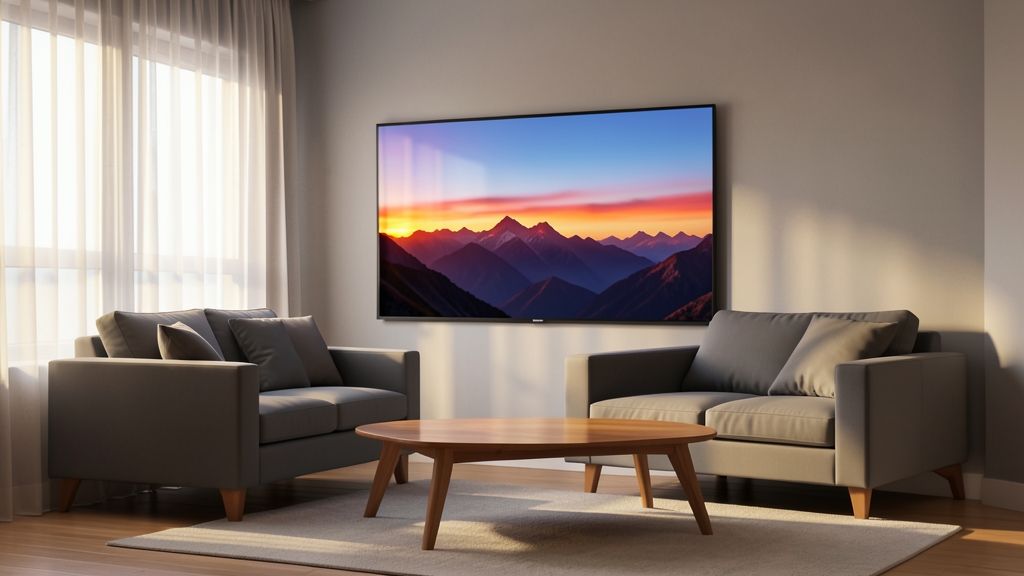
Xiaomi dropped a new TV in India on June 4 — the TV FX Mini LED Series. It's been all over my feed for two weeks now, and pricing finally leaked last week: the 55-inch starts at ₹42,999, the 65-inch at ₹59,999, and the 75-inch at ₹84,999. That's the "should I buy one instead of an LG or Hisense?" zone — which is exactly where most Indian buyers actually shop.
I haven't tested one myself yet (Xia's loaner program is slow), but I've read every spec sheet, watched three Indian reviewers, and compared them to my current bedroom TV — also a Xiaomi, picked up three years ago. So this is part-review, part-buying-guide, and part "is Xiaomi still doing the cheap-and-decent thing".
What you actually get — the spec rundown
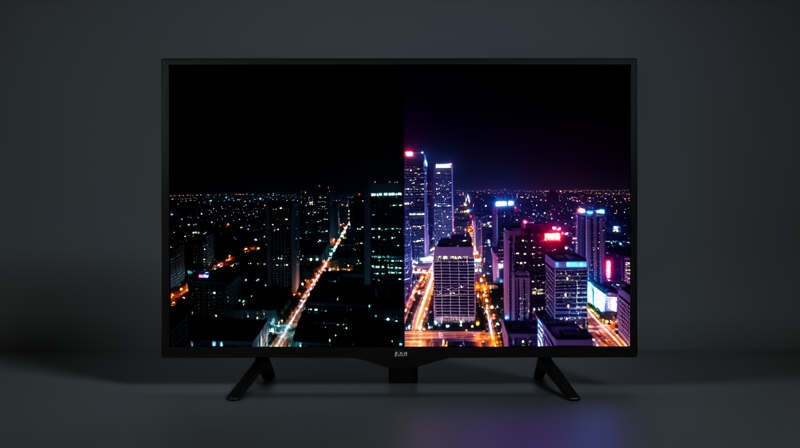
First — what "Mini LED" means, because the term gets thrown around. A standard LED TV has a few dozen backlights behind the screen. A Mini LED TV has thousands, grouped into dimming zones. Each zone can dim independently. The practical effect: brighter highlights, darker blacks, less of that hazy halo you see around bright objects on cheap TVs.
The TV FX Mini LED is a 4K QD-Mini LED panel. Key numbers:
- Screen sizes — 43", 55", 65", and 75" (the 43" is new for this series; previous Mini LED Xiaomi TVs started at 55")
- Refresh rate — 60Hz native, with 120Hz Game Boost mode
- Peak brightness — around 1,200 nits (similar to TV S Mini LED that came before it)
- Local dimming zones — quoted at up to 512 zones on the 65" and 75"; fewer on smaller sizes
- HDR support — HDR10+, HLG, and Filmmaker mode. No Dolby Vision, which matters — I'll get to that
- Color — 93% DCI-P3 coverage, Quantum Dot layer
Where Xiaomi cut costs (and where it didn't)
This is what most reviews don't tell you — the FX series is a careful trim of the more expensive TV S Mini LED 2026, not a straight downgrade. Xiaomi removed or scaled back exactly the things most people don't notice.
What's gone (or downgraded)
- No Dolby Vision, Dolby Atmos — only HDR10+ and DTS:X. If you watch Netflix or Prime Video the difference is visible side-by-side, but most people don't notice in isolation
- 4-speaker system instead of 6 — still quad speakers with tweeters, just smaller drivers. Dialogue is fine, Atmos-height effects are missing
- 60Hz native panel — the TV S did 144Hz natively on larger sizes. Most viewers don't care; PS5 users might
- Lower peak brightness zones count on the 43" and 55" — fewer dimming zones means slightly more halo around bright objects
What stayed the same
- Fire TV operating system — yes, Amazon's Fire TV, not Google TV or Xiaomi's own PatchWall. This is the most controversial change
- Full-array Mini LED backlight — same architecture as the more expensive TV S
- Quantum Dot layer — color performance is genuinely good for this price tier
- HDMI 2.1 ports — at least one, for 4K 120Hz gaming from PS5 or Xbox Series X
Fire TV — the part everyone has feelings about
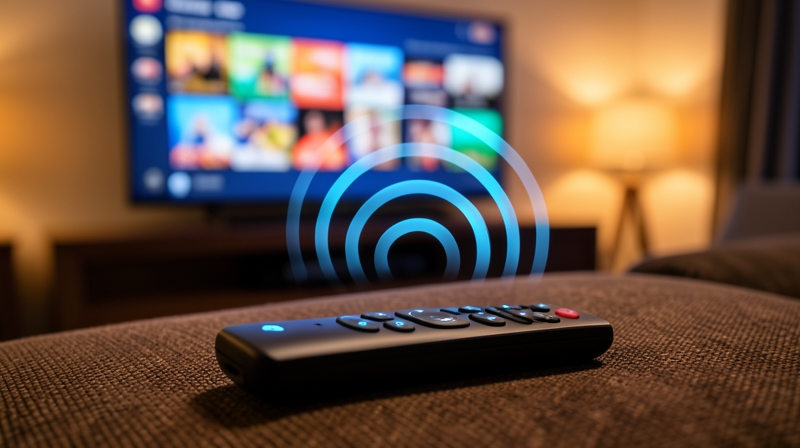
Let me be direct: this is the make-or-break decision for a lot of buyers. The TV FX Mini LED runs Amazon's Fire TV, not Google TV or Xiaomi's own PatchWall. That means:
- The good — built-in Alexa (mic on the remote), deep integration with Prime Video, easy app side-loading, regular updates straight from Amazon
- The bad — home screen is full of Amazon ads and Prime recommendations, the interface pushes paid content, no native Google Play Store (workarounds exist)
- The ugly — for people who use YouTube TV, Google Photos, or Chromecast daily, the experience is friction. Apple users can still AirPlay, that's fine
I tested a Fire TV stick last month so I have a feel for it. It's snappy. Setup is easy. The ads are annoying but you can mute most of them. If you've never owned a smart TV or currently own a non-smart one, it's a genuine upgrade.
Real-world performance — bright rooms and gaming
I've watched a dozen review videos and read the launch coverage carefully. Three things worth noting:
1. Bright room performance is the real win. 1,200 nits is enough to read the panel clearly in daylight without curtains drawn. This is the single biggest reason to pick Mini LED over OLED at this price. OLED is dimmer in bright rooms; the FX isn't.
2. Blooming is real but controlled. "Blooming" is the halo you see around bright objects (subtitles on dark scenes, street lights in night shots). On the larger 65" and 75" sizes with more dimming zones, it's mild. On the 55", reviews say it's more visible. If you're sensitive to this, get the 65".
3. Game Boost 120Hz works. The 60Hz native panel can be pushed to 120Hz for gaming with low input lag. Not every game supports it, but for PS5 owners playing in 4K 60Hz with HDR, this is the sweet spot. Real gamers will want more from a proper 144Hz panel, but at ₹45K for 55-inch, it's fine.
How it compares to the alternatives
Three TVs in the same price band as the Xiaomi TV FX Mini LED, and which to pick:
Xiaomi TV S Mini LED 2026 (around ₹48,999 starting): The predecessor. Still available. Has Dolby Vision and Dolby Atmos, runs Google TV with PatchWall. Slightly better HDR, slightly worse software uniformity. Pick this if Dolby Vision matters and you don't mind Google TV.
Hisense 55U7K (around ₹52,000): Hisense has been quietly making the best mid-range Mini LED TVs for two years. The U7K Pro has more dimming zones, full-array local dimming, and runs Google TV. Pick this if you watch a lot of sports (Hisense motion handling is excellent). Pick the Xiaomi if you want Fire TV or sharper pricing.
Sony Bravia 2 (K-55S20, around ₹58,000): Sony's budget 4K LED isn't Mini LED, just standard full-array with fewer zones. Picture quality is good for the price but not in the same league as Mini LED. Pick the Sony only if you trust the brand and don't care about specs.
Which size to buy — actually
Most people over-think the size question. Here's my honest take.
- 43-inch — bedroom, kitchen, small study. ₹32-35K-ish. Watch from 6-8 feet. Genuinely the new sweet spot for second TVs
- 55-inch — main TV in a 10x12 living room. Watch from 8-10 feet. This is what 70% of Indian buyers should pick
- 65-inch — only if your sofa is 9-12 feet from where the TV sits. Worth the extra ₹17K for the better picture (more dimming zones)
- 75-inch — luxury tier. If you have to ask, the 65-inch is fine
My honest take — who should buy this, who shouldn't
I've gone on too long. Let me just say it.
Buy the Xiaomi TV FX Mini LED if:
- You're upgrading from a 5+ year old LED TV and want the biggest visible jump in picture quality
- Your living room gets bright daylight and you currently see the panel as "washed out"
- You watch a lot of streaming, sports, and PS5 gaming (not dedicated home theater)
- You want Fire TV's Alexa convenience or you're already deep in the Amazon ecosystem
Skip it if:
- You watch 50%+ of your content in a dark room — get an OLED instead, save up for it
- You're embedded in the Apple TV / Google TV ecosystem and don't want to switch
- Dolby Vision specifically matters to you (rare, but real for some Netflix bingers)
- You're hoping for a "future-proof" flagship — this is a smart mid-range buy, not an investment piece
I'll probably get one myself in the next month. My current Xiaomi is fine, but the jump to Mini LED in a bright living room is enough that I'm feeling the upgrade itch. I'll do a proper review once it lands.
🏆 Final Verdict
The Xiaomi TV FX Mini LED is the cheapest honest Mini LED TV you can buy in India in 2026. It cuts the right corners — Dolby Vision, fewer speakers, lower refresh rate — and keeps the bits you actually feel: brightness, contrast, color, and a snappy Fire TV interface. If ₹42K–85K is your range and you're not chasing OLED, this is the one to shortlist. Just go one size up from what you think you want.
Is the Xiaomi TV FX Mini LED good for PS5 gaming?
Yes. The 4K 60Hz with HDR mode is solid, and Game Boost 120Hz works for supported games. Input lag is low. It's not a 144Hz native panel but for most PS5 owners in this budget, you'll be happy.
Does it support Dolby Vision?
No. The FX Mini LED supports HDR10+, HLG, and Filmmaker Mode — but not Dolby Vision. If your streaming diet is mostly Netflix Dolby Vision content, the difference is visible. For Prime Video, YouTube, and most streaming, HDR10+ covers it.
Is Fire TV better than Google TV?
Different, not better. Fire TV has deeper Alexa integration and a faster interface. Google TV has better universal search and Google Photos / Chromecast casting. If you care about privacy or use Google services daily, Google TV wins. If you use Alexa or Prime Video heavily, Fire TV wins.
When's the best time to buy?
Right now for the launch pricing, or wait for Amazon Great Indian Festival in October. Sales typically knock ₹5-10K off Xiaomi TVs. If you can wait, wait.
#XiaomiTVFXMiniLED
#MiniLEDTVIndia
#XiaomiTV2026


